Tennessee
The Volunteer State
Quick Stats
Map
Seal & Motto
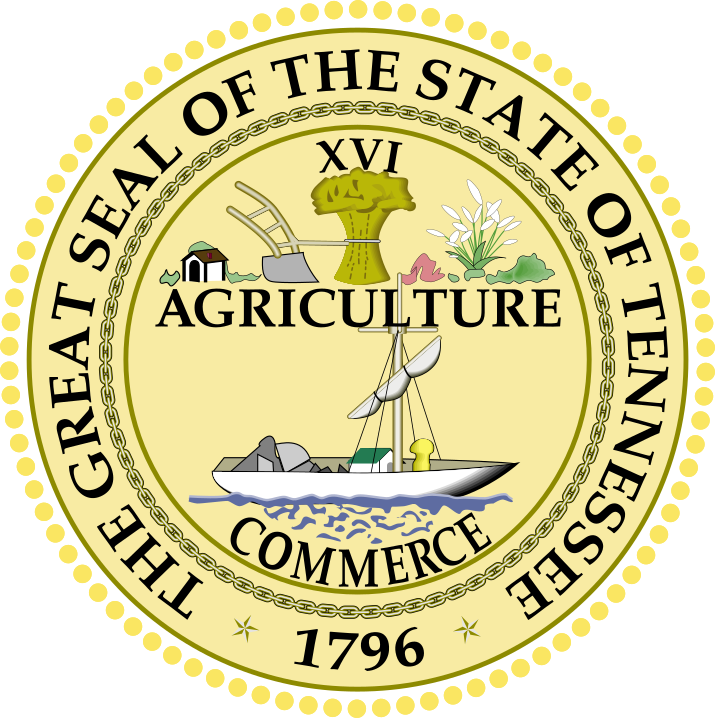
"Agriculture and Commerce"
Adopted in 1866, this motto reflects Tennessee's dual foundations — the fertile river valleys that sustained a thriving agrarian society, and the trade routes along the Tennessee, Cumberland, and Mississippi Rivers that linked frontier settlers to national markets. Together, agriculture and commerce defined the state from its earliest days as the 16th state of the Union.
Flag & Its Meaning
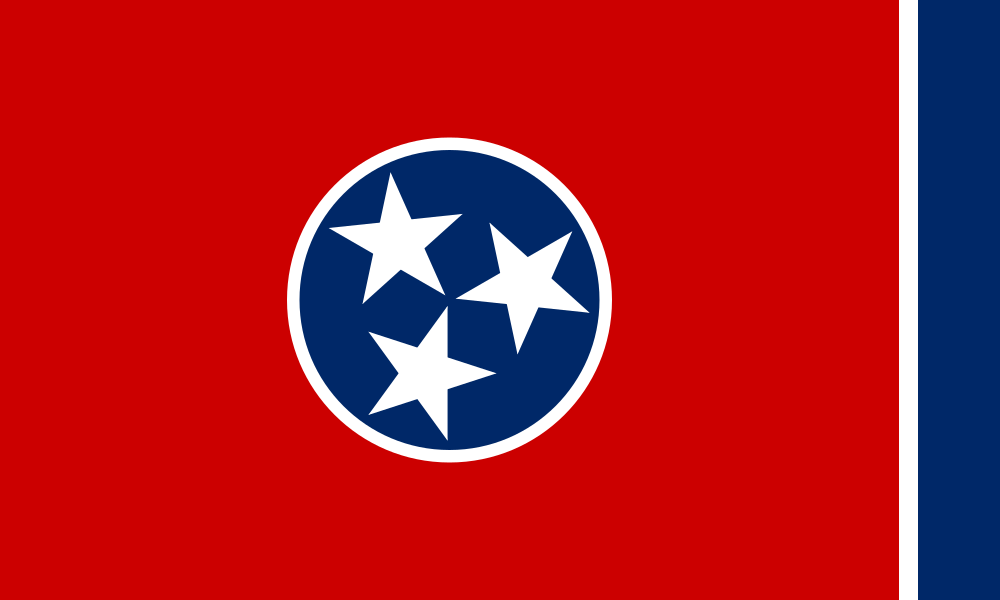
Tennessee's flag features a deep crimson field centered on a blue circle containing three five-pointed white stars — representing East, Middle, and West Tennessee. A narrow blue stripe edged in white runs along the fly side. Adopted in 1905, it is widely regarded as one of the most distinctive and purposeful state flags.
- Crimson Field — The deep red covers most of the flag, symbolizing the valor and courage of Tennessee Volunteers — the citizen-soldiers who answered the nation's call in every major American conflict.
- Three Stars — Three white five-pointed stars represent East, Middle, and West Tennessee — the state's three distinct geographic and cultural divisions, each with its own identity and heritage.
- Blue Circle — A bold blue circle frames the three stars, symbolizing that despite their differences, East, Middle, and West Tennessee are bound together in unity as one state.
- Blue Stripe — A vertical blue band bordered by white on the fly edge adds visual balance, preventing the flag from looking plain and completing the three-color patriotic design.
State Symbols
Overview
Tennessee, the "Volunteer State," is the beating heart of American music. No state has contributed more to the nation's musical soul — from the birth of the blues on Memphis's Beale Street and rock and roll at Sun Studio, to the creation of country music at Nashville's Ryman Auditorium and the Grand Ole Opry. Add the misty peaks of the Great Smoky Mountains, the oldest national park in the East, and Jack Daniel's whiskey, and Tennessee's cultural footprint dwarfs its size.
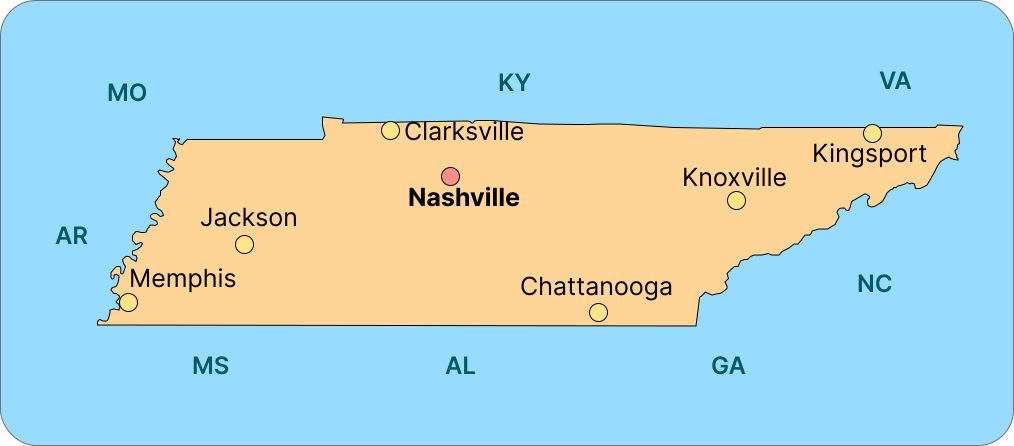
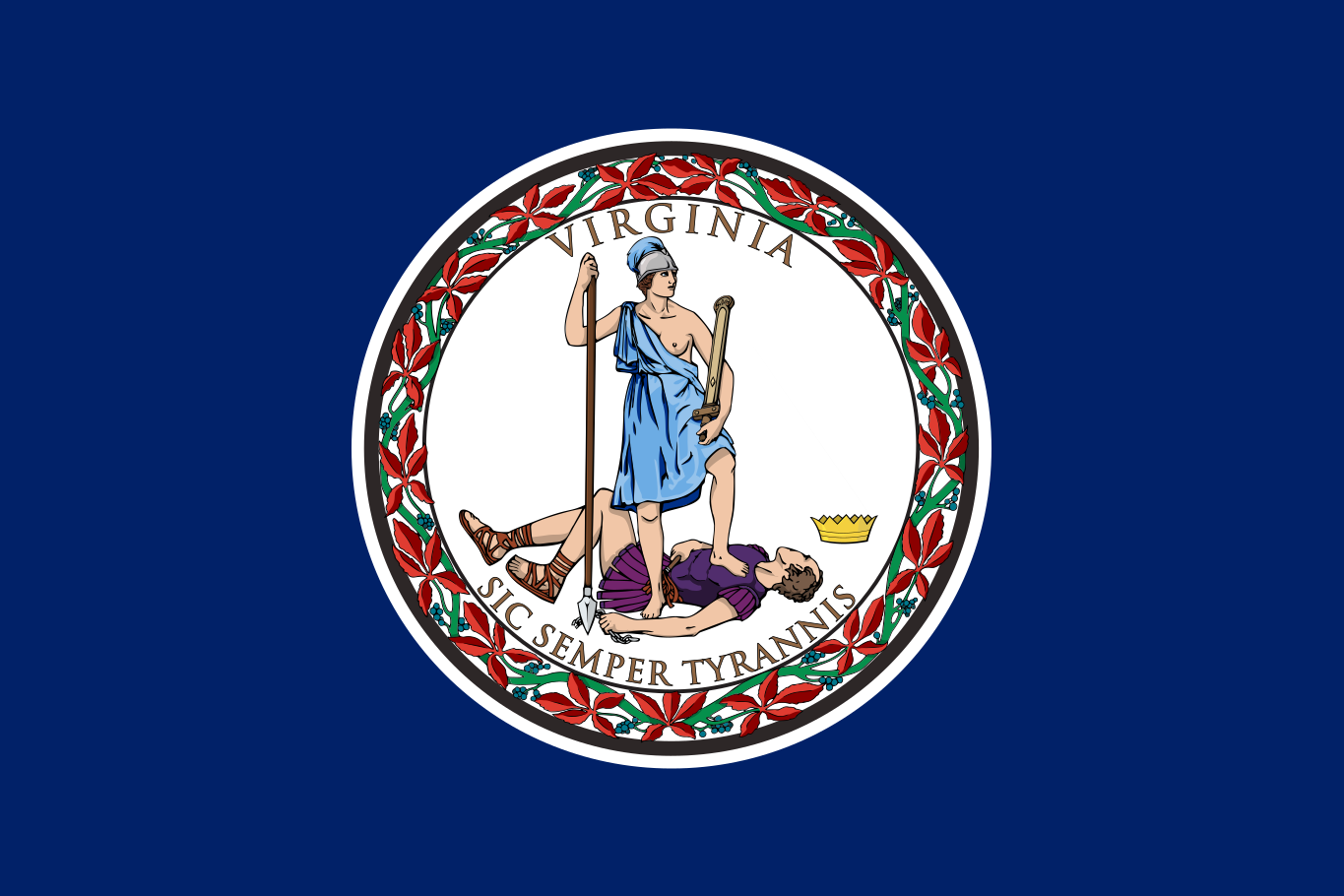
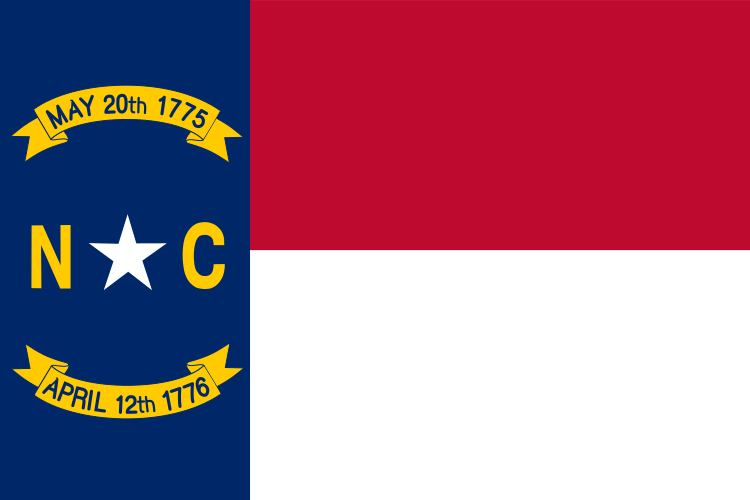
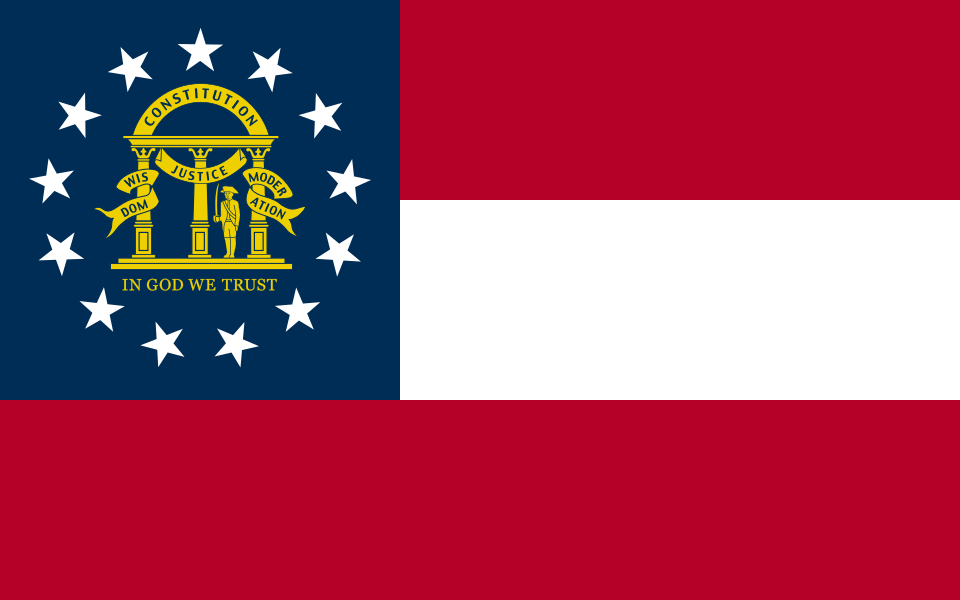
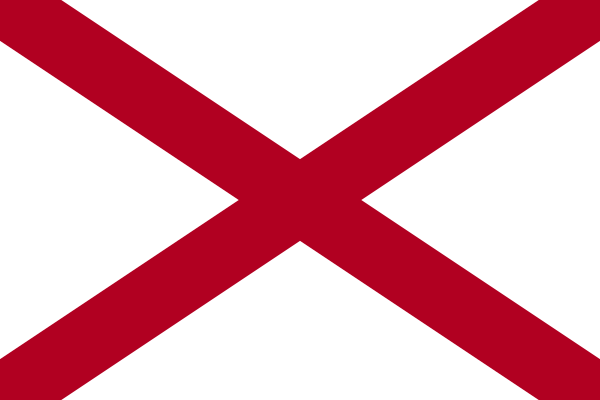
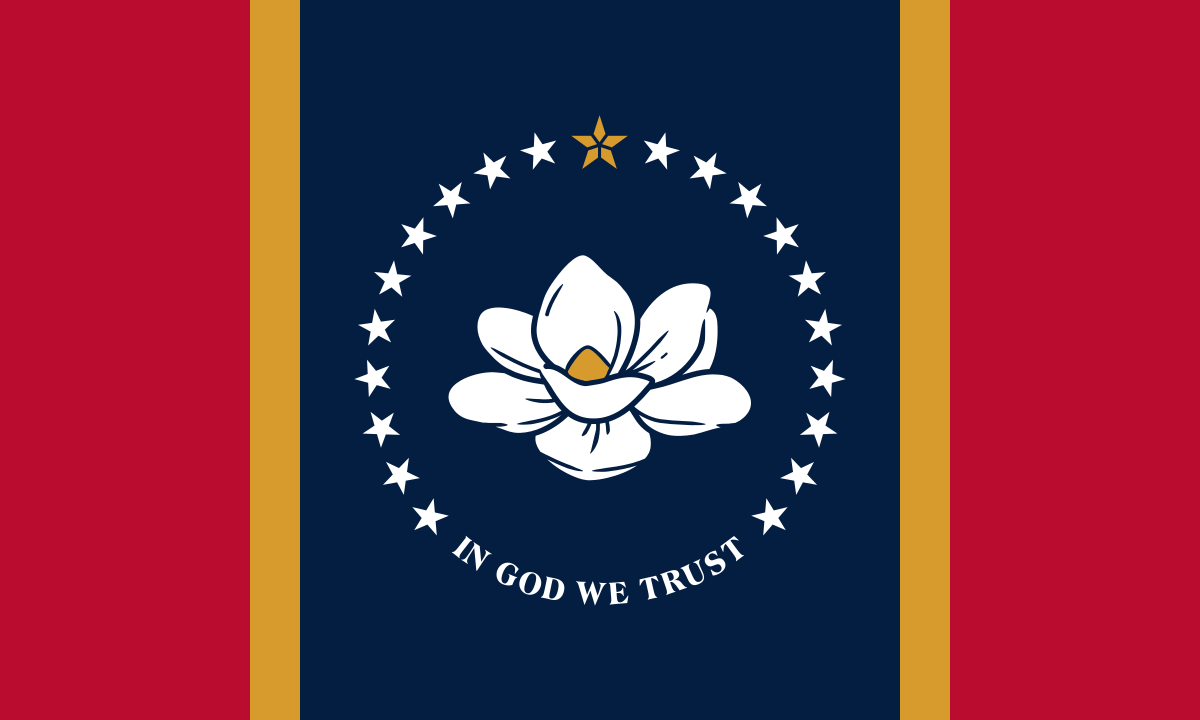
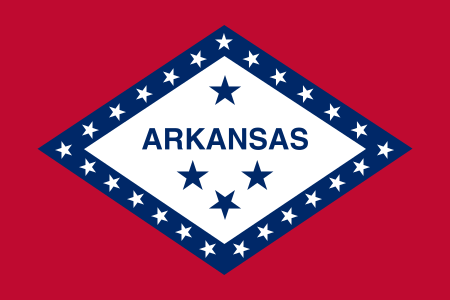
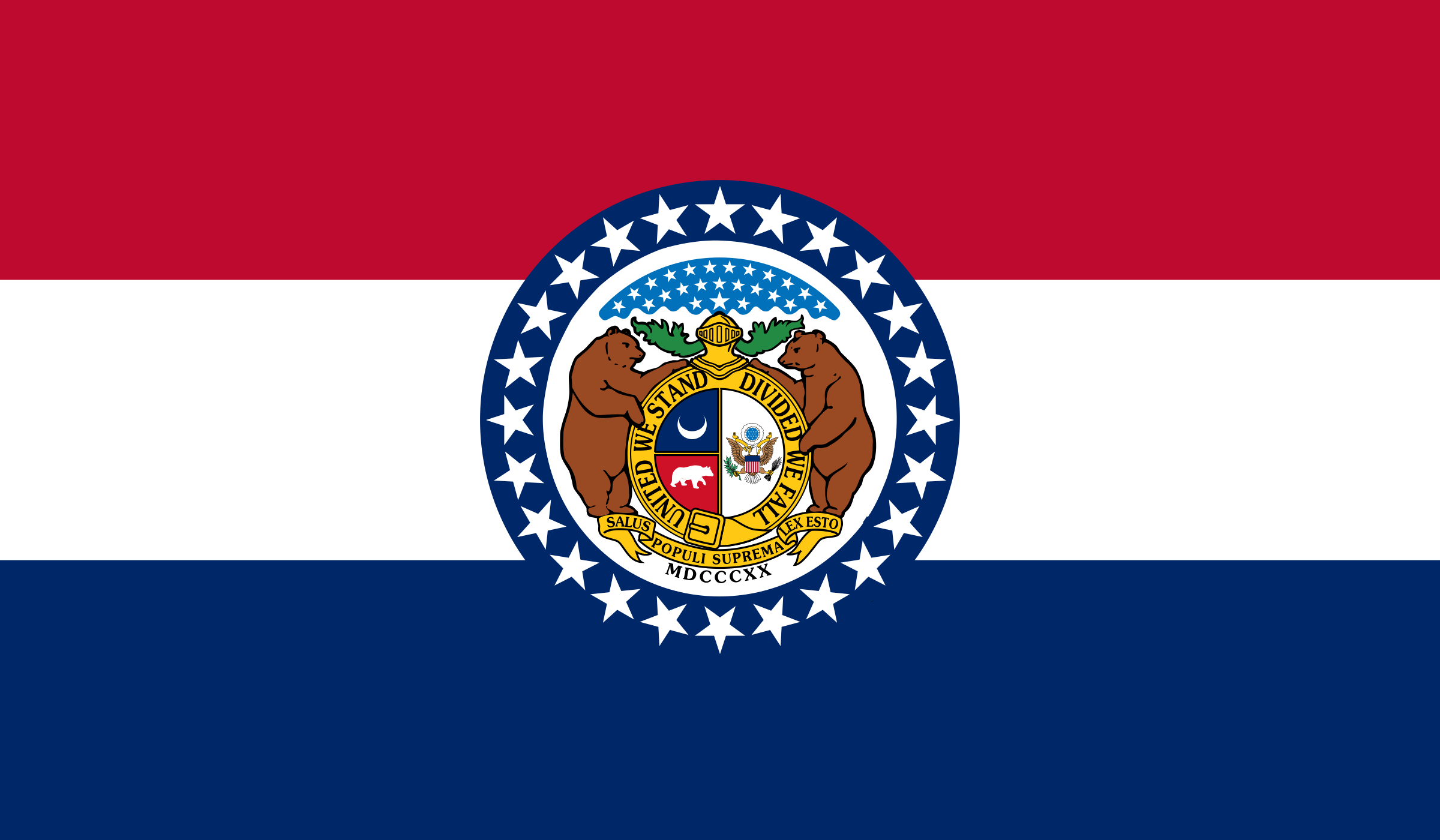
Geographically, it shares borders with KY, VA, NC, GA, AL, MS, AR, and MO, forming a closely connected regional network.
Historical Significance
Tennessee joined the Union on June 1, 1796, as the 16th state, carved out of the Southwest Territory. Its history runs deep — from the Battle of Kings Mountain in 1780 and Andrew Jackson's frontier presidency, through pivotal Civil War battles at Shiloh, Stones River, and Chickamauga fought on Tennessee soil. The 1933 creation of the Tennessee Valley Authority transformed the rural South, electrifying seven states and redefining the role of the federal government in American life.
Famous Natives
Top Cities & Hubs
Nashville
Population: ~690k"Music City" and the state capital — one of America's fastest-growing metros, a global destination for country music, healthcare, and higher education, home to the Grand Ole Opry and legendary Music Row.
Memphis
Population: ~630kA storied Mississippi River city, birthplace of rock and roll and the blues — home to Elvis Presley's Graceland, Beale Street's live music clubs, FedEx headquarters, and the National Civil Rights Museum.
Knoxville
Population: ~190kGateway to Great Smoky Mountains National Park and home to the University of Tennessee — a revitalized river city with a celebrated Market Square and legacy as host of the 1982 World's Fair.
Chattanooga
Population: ~180kThe "Scenic City" along the Tennessee River at the foot of Lookout Mountain — a national model of urban revitalization with world-class outdoor recreation and the Tennessee Aquarium.
Clarksville
Population: ~170kOne of Tennessee's fastest-growing cities adjacent to Fort Campbell, with a charming historic riverfront and a rapidly expanding arts, dining, and entertainment district.
How Tennessee Ranks
Key Landmarks & Economy
Did You Know?
- Tennessee is bordered by eight states — more than any U.S. state except Missouri — reflecting its central location in the American South as a crossroads of geography and culture.
- Jack Daniel's distillery in Lynchburg is the oldest registered distillery in the U.S. (est. 1866), yet it sits in a dry county — you legally cannot buy a drink in the town where the whiskey is made.
- Nashville is home to a full-scale replica of the Greek Parthenon in Centennial Park, built for the 1897 Tennessee Centennial Exposition and featuring a 42-foot gold-plated statue of Athena inside.
Additional Information
37010 (Adams) – 38589 (Wilder)
Demographics
Population Growth
You might also like
Test Your Tennessee Knowledge
5 questions about the Volunteer State
What is Tennessee's official state nickname?
What is the capital city of Tennessee?
Tennessee was the ___ state to join the Union?
Which national park is the most visited in the United States?
In which Tennessee city was Elvis Presley born?