Oklahoma
The Sooner State
Quick Stats
Map
Seal & Motto
"Labor Omnia Vincit"
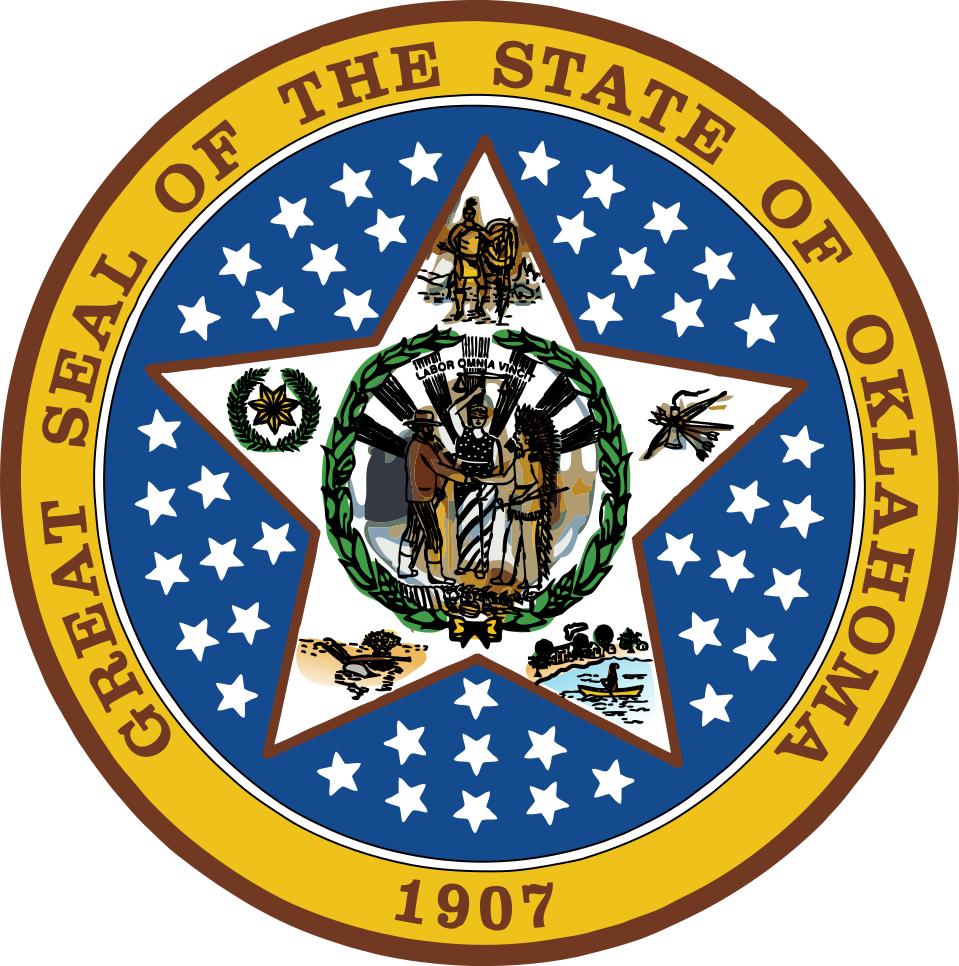
Latin for "Labor Conquers All," this motto was adopted when Oklahoma became the 46th state in 1907. It speaks directly to the rugged determination of the settlers, Native nations, and freedmen who built a civilization on the plains — through droughts, the Dust Bowl, and the hardships of oil-boom uncertainty. It remains a fitting emblem for a state that has always worked its way forward on its own terms.
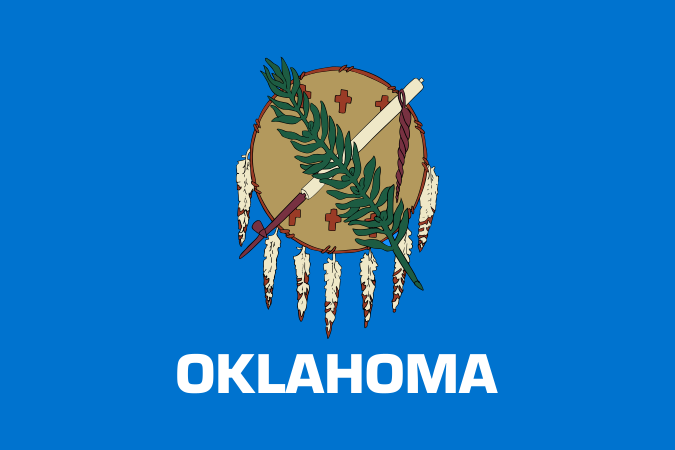
Flag & Its Meaning
Oklahoma's flag features a sky-blue field bearing an Osage warrior's buffalo-hide shield decorated with small crosses and rings, with an eagle feather and an olive branch crossing behind it. The word "OKLAHOMA" was added in 1941 — making it one of the very few U.S. state flags with the state name written on it.
- Sky Blue Field — The blue background represents the sky over the Oklahoma plains and honors the Choctaw people's sky-blue banner — a direct tribute to the Native nations that called this land home long before statehood.
- Osage Shield — The circular buffalo-hide shield is decorated with small crosses and a border of eagle feathers, representing the warrior traditions and spiritual strength of the Plains tribes who shaped Oklahoma's identity.
- Crossed Olive Branch & Peace Pipe — Behind the shield, an olive branch (peace) and a calumet peace pipe (Native American diplomacy) cross in an X shape, declaring Oklahoma's dual heritage of Native traditions and American nationhood.
- State Name — "OKLAHOMA" was added in 1941 after soldiers returning from WWII reported they couldn't identify which state's flag they carried — making it one of the few state flags with the state name on it.
State Symbols
Overview
Oklahoma, the "Sooner State," is a land of extraordinary contrasts — from the rolling Ozark Plateau and ancient Cross Timbers forests to the windswept Great Plains and the panhandle's rugged mesa country. Home to 39 federally recognized tribal nations, it is a state where Native American heritage is woven into every aspect of its culture and identity.
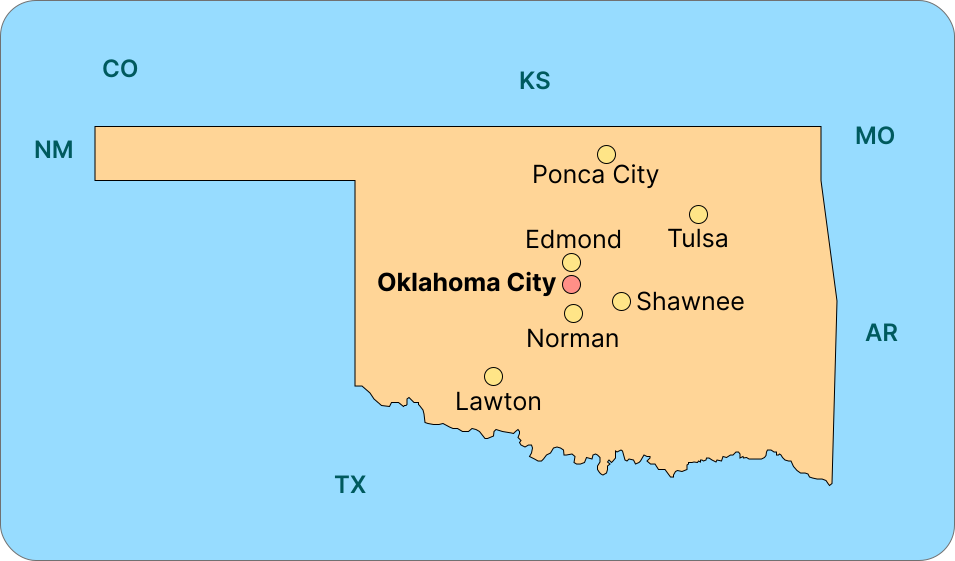
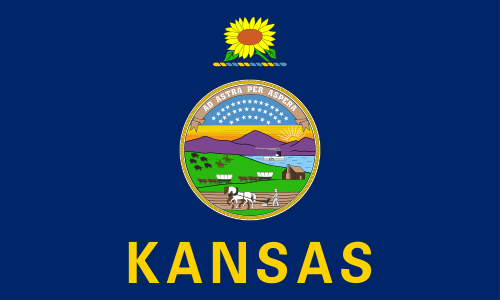
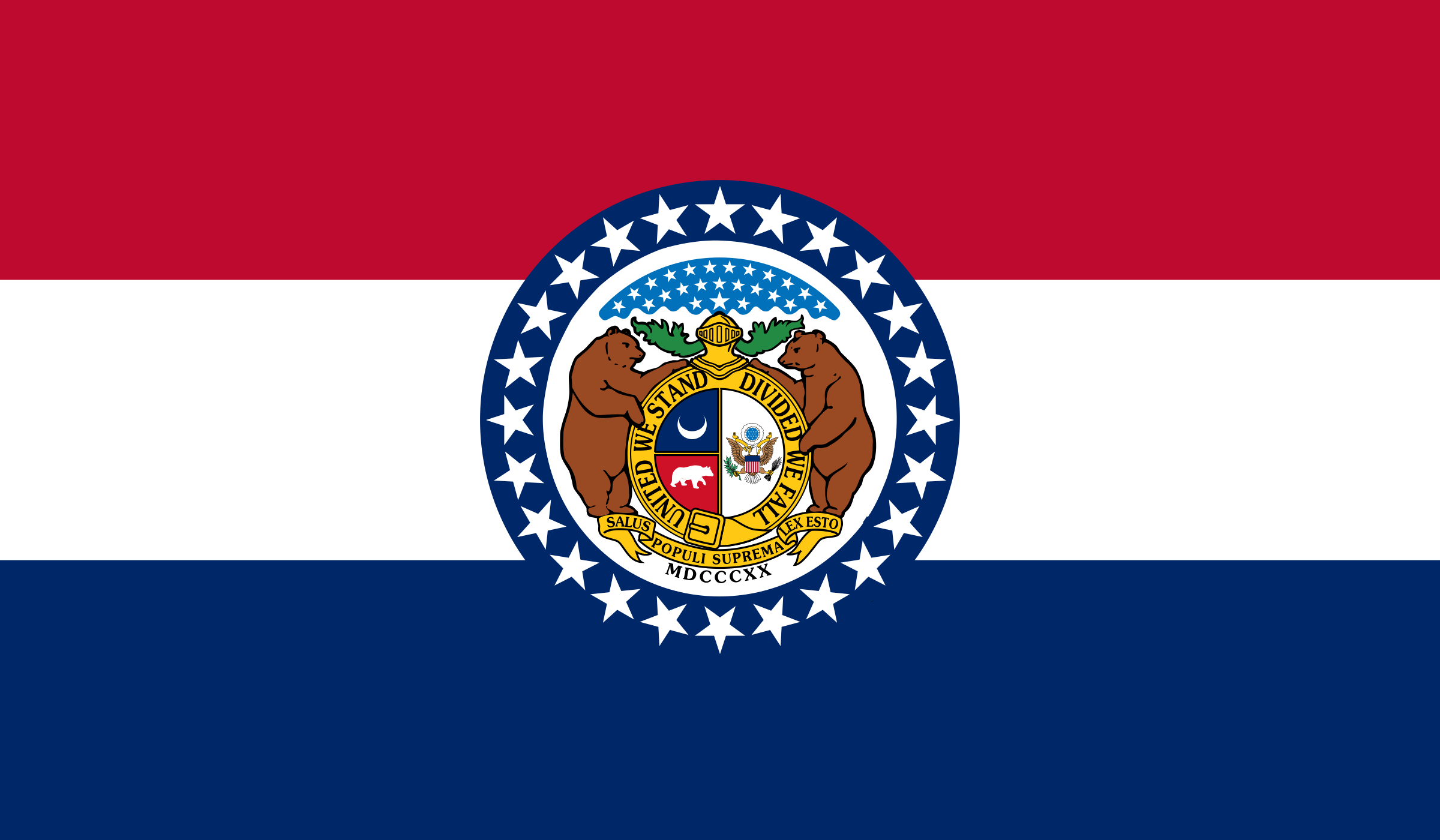
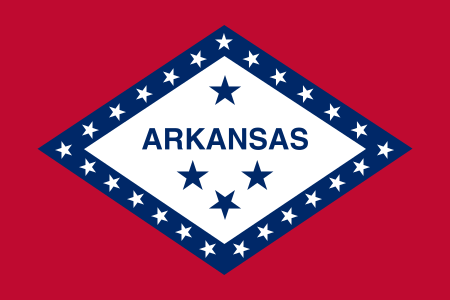
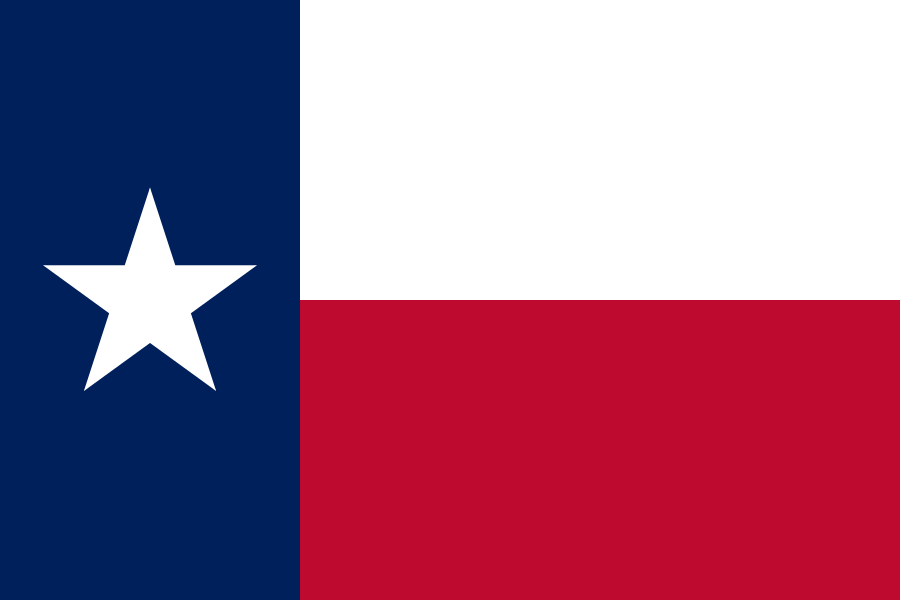
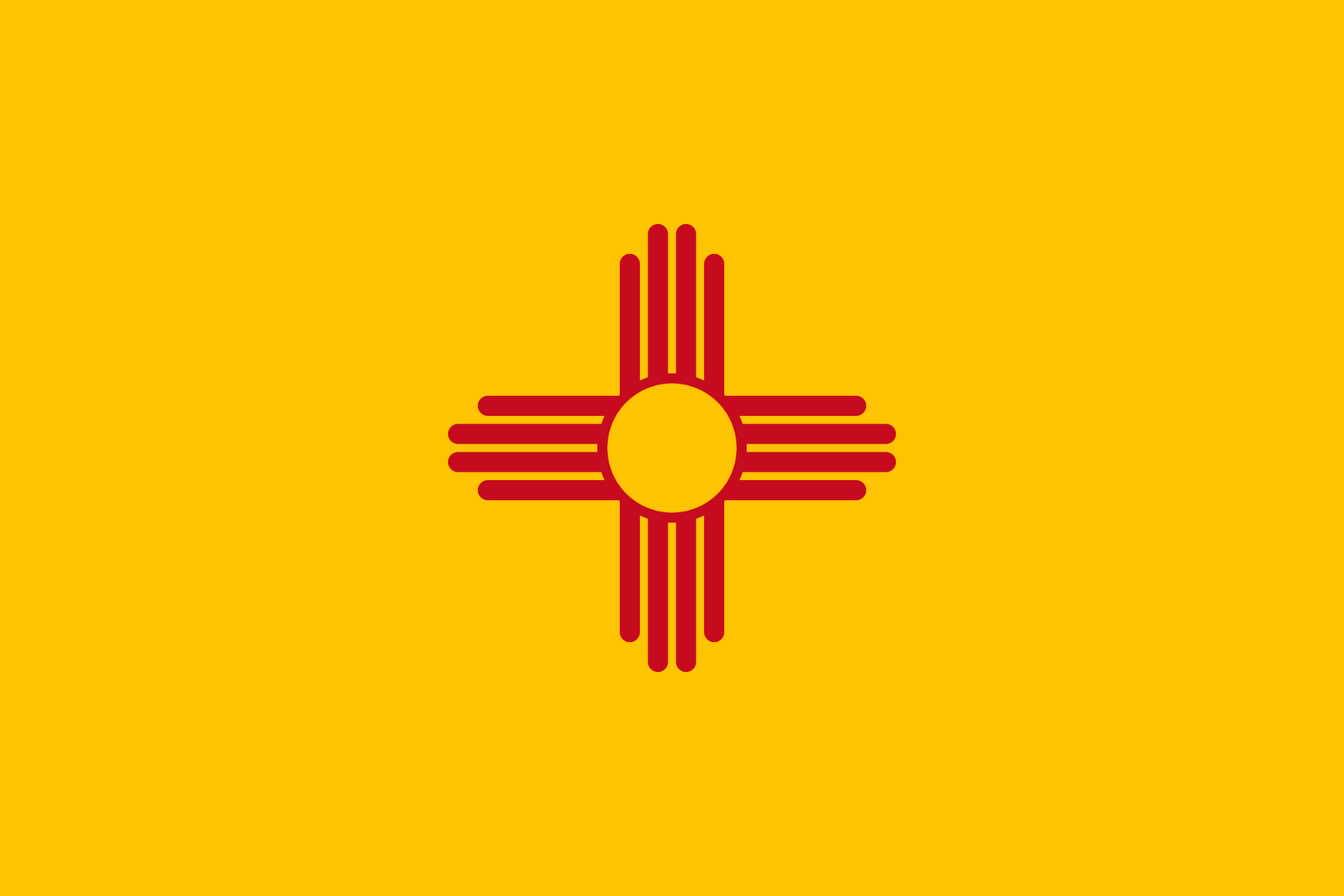
Geographically, it shares borders with KS, MO, AR, TX, NM, and CO, forming a closely connected regional network.
Historical Significance
Oklahoma officially joined the Union on November 16, 1907, as the 46th state. Its path to statehood is uniquely dramatic — from being designated "Indian Territory" and home to the Five Civilized Tribes forcibly relocated on the Trail of Tears, through the chaotic 1889 Land Runs that opened the territory to 50,000 settlers in a single afternoon, to the dust storms of the 1930s.
Famous Natives
Top Cities & Hubs
Oklahoma City
Population: ~700,000The state capital and largest city, a modern Western metropolis known for its iconic Bricktown entertainment district, world-class National Cowboy Museum, and the hauntingly powerful Oklahoma City National Memorial.
Tulsa
Population: ~420,000Once the undisputed "Oil Capital of the World," now famous globally for its extraordinary Art Deco architecture and the vibrant Greenwood District — the historic "Black Wall Street."
Norman
Population: ~130,000Home to the University of Oklahoma and the National Weather Center, the leading institution for tornado and severe weather research in the most active storm region on Earth.
Broken Arrow
Population: ~120,000A thriving Tulsa suburb consistently ranked among the safest cities in America, with a strong aerospace manufacturing sector and rapid residential growth.
Lawton
Population: ~90,000Home to Fort Sill, one of the largest Army installations in the U.S. and a major field artillery training center with a rich military history stretching back to the Indian Wars.
How Oklahoma Ranks
Among all 50 U.S. states
More tornadoes per square mile than any other state — the undisputed bull's-eye of "Tornado Alley."
39 federally recognized tribal nations — one of the highest concentrations of Native Americans in the U.S.
A major producer of natural gas and crude oil, anchoring the state's energy economy.
~4.0 million residents — the 28th most populous state in the nation.
Key Landmarks & Economy
Did You Know?
- Oklahoma has more man-made lakes than any other state — over 200 — created largely for flood control and water supply after the devastating Dust Bowl of the 1930s.
- The "Land Run" of April 22, 1889, when 50,000 settlers simultaneously raced to claim free land, was one of the most dramatic land rushes in world history — giving Oklahoma City a population of 10,000 in a single day.
- Oklahoma has more Native American tribal nations (39 federally recognized) than any other state except Alaska, and the name "Oklahoma" comes from the Choctaw words "okla" (people) and "humma" (red).
Additional Information
73001 (Cement) → 74966 (Wister)
~500+ ZIP codes statewide
Demographics
Population Growth
You might also like
Test Your Oklahoma Knowledge
5 questions · See how well you know the Sooner State
What is Oklahoma's official state nickname?
In what year was Oklahoma admitted to the Union?
Which famous folk singer was born in Okemah, Oklahoma?
What is the capital city of Oklahoma?
What makes Oklahoma's state flag unique among U.S. state flags?